
3 July 2026
Melasma Is More Than Just Sun Damage: Understanding the Real Triggers and Why Long Term Management Matters
Melasma is one of the most common skin concerns we treat at Nassif Medical Spa, yet it is also one of the most misunderstood.
Many patients come to us believing their pigmentation has developed simply because they have spent too much time in the sun. Others are frustrated because they wear SPF every single day, yet their melasma continues to return.
The truth is that melasma is far more complex than sun damage alone.
Our understanding of this condition has advanced significantly over the last decade. We now know that melasma is a chronic pigmentary disorder influenced by hormones, heat, inflammation, genetics and light exposure. This is why it can be so challenging to treat and why a personalised, long term management plan is essential for achieving lasting results.
At Nassif Medical Spa, we take the time to understand not only the pigmentation you can see, but also the underlying factors driving it. Rather than simply treating the symptoms, our goal is to create a treatment plan that supports healthier skin, reduces future flare ups and helps you maintain your results for years to come.
What Is Melasma?
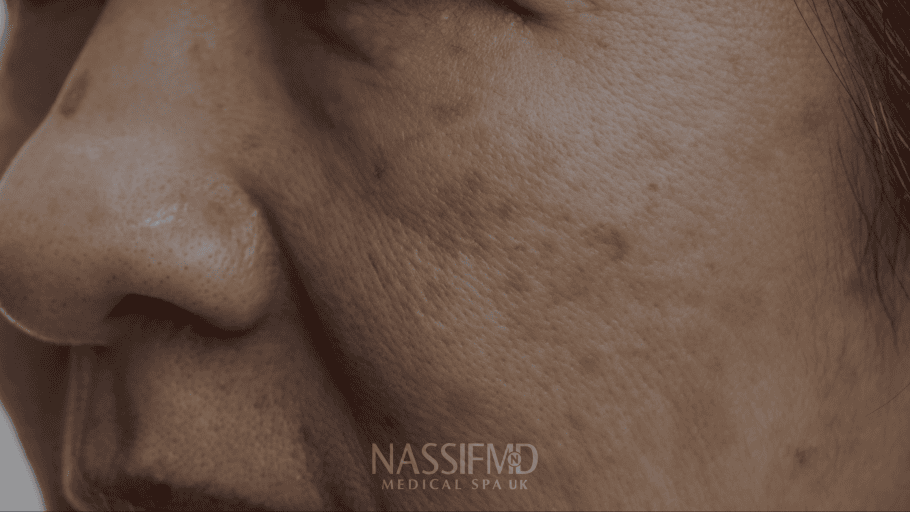
Melasma is a chronic condition that causes patches of brown or grey brown pigmentation, most commonly affecting the cheeks, forehead, upper lip and chin.
Unlike age spots or freckles, melasma is not simply excess pigment sitting on the surface of the skin.
It develops when melanocytes, the cells responsible for producing melanin, become overactive and increasingly sensitive to internal and external triggers. These melanocytes continue to produce excess pigment long after the initial trigger has passed, which is why melasma has such a strong tendency to recur.
This is also why there is no single treatment or permanent cure.
Melasma requires careful assessment, targeted treatment and ongoing maintenance.
The Sun Is Only Part of the Story
Sunlight is undoubtedly one of the biggest triggers for melasma, but it is not the whole story.
Many patients are surprised to learn that ultraviolet light is only one part of the equation.
Visible light, particularly blue light, and heat have both been shown to stimulate melanocytes and contribute to the development and recurrence of melasma.
This explains why some patients notice their pigmentation becoming darker during the summer months, even if they have been diligent with sunscreen and spent very little time in direct sunlight.
Heat alone can trigger melasma.
Whether that heat comes from hot weather, saunas, steam rooms, vigorous exercise or even certain aesthetic treatments, an increase in skin temperature can stimulate pigment producing cells.
This is one of the reasons why melasma often worsens during holidays abroad or prolonged periods of warm weather, despite careful sun protection.
Understanding these triggers allows us to educate our patients beyond simply recommending SPF. Protecting your skin from excessive heat and choosing the right sun protection is just as important as avoiding ultraviolet exposure.
Hormones Play a Significant Role
Hormonal changes are another major factor in the development of melasma.
This is why the condition is considerably more common in women and is frequently associated with pregnancy, the contraceptive pill, hormone replacement therapy and other hormonal fluctuations.
Many people know melasma as the “mask of pregnancy” because it commonly develops during pregnancy when increased hormone levels make melanocytes more sensitive to light and heat.
Even after hormone levels return to normal, those melanocytes often remain reactive, meaning the pigmentation can continue to recur unless it is carefully managed.
This is one of the reasons why treating melasma requires a deeper understanding of the condition rather than simply trying to remove the pigment.
Why Some Treatments Fail
One of the most common frustrations we hear from patients is that they have previously had treatments which initially improved their melasma, only for it to return a few months later.
This is not because the treatment failed.
It is because the underlying condition remained active.
Removing pigment without addressing the behaviour of the melanocytes is rather like treating the symptoms without addressing the cause.
Melasma is a chronic condition.
Just like rosacea or eczema, it can be successfully controlled, but it requires ongoing management.
Why Expertise Matters
Melasma is one of the most challenging pigmentary conditions to treat because every patient’s skin is different.
The depth of pigmentation, skin type, hormonal influences, ethnicity, previous treatments, lifestyle and individual triggers all influence how we approach treatment.
This is why we never believe in a one size fits all approach.
Every patient who visits Nassif Medical Spa undergoes a comprehensive consultation before treatment. We carefully assess the type of pigmentation, identify potential triggers and develop a personalised treatment plan based on your skin, your concerns and your long term goals.
Our recommendations are guided by clinical evidence, experience and what is genuinely in the best interests of your skin.
Our Approach to Treating Melasma
Successful melasma management rarely relies on a single treatment.
Instead, we combine multiple evidence based approaches to achieve the safest and most effective outcomes.
Depending on your skin, your treatment plan may include medical grade skincare, prescription pigment suppressants such as hydroquinone, professional depigmenting peels or carefully selected energy based treatments including Sciton BBL® and Sciton Halo®.
Historically, laser treatments developed a poor reputation for melasma because overly aggressive treatments often created inflammation, leading to rebound pigmentation.
Today, our understanding of melasma has evolved considerably.
With appropriate patient selection, careful skin preparation and conservative treatment parameters, technologies such as Sciton BBL® and Halo® can play an important role in improving pigmentation whilst also enhancing overall skin quality.
However, these treatments are never viewed as a cure.
They are one part of a comprehensive treatment strategy designed to improve skin health whilst minimising the risk of recurrence.
Why Maintenance Is Essential
One of the most important conversations we have with our patients is about expectations.
We never describe melasma as something that can simply be cured.
Instead, we explain that it is a condition that can be successfully managed.
This is an important distinction because it changes the way we approach treatment.
Our goal is not simply to achieve an initial improvement.
Our goal is to help you maintain healthier, brighter and more even skin over the long term.
Following your initial treatment programme, we develop a personalised maintenance plan tailored to your skin and your lifestyle.
This may include medical grade skincare, prescription pigment suppressants where appropriate, daily broad spectrum sun protection, tinted SPF containing iron oxides to protect against visible light and carefully timed maintenance treatments.
Rather than waiting for pigmentation to become established again, maintenance allows us to keep melanocyte activity under control and preserve the improvements already achieved.
Patients who commit to long term maintenance consistently achieve the best and most predictable results.
Prevention Is Better Than Correction
One of the greatest advances in aesthetic medicine has been shifting our focus from correcting damage to preventing it.
Melasma perfectly demonstrates why this approach is so important.
Preventing melanocytes from becoming overactive is considerably easier than repeatedly trying to remove established pigmentation.
This is why we place such a strong emphasis on education.
Understanding your triggers, protecting your skin from ultraviolet light and excessive heat, following a personalised skincare routine and attending regular reviews all contribute to maintaining healthy skin.
It is this proactive approach that allows us to deliver natural, long lasting results.
Why Choose Nassif Medical Spa?
At Nassif Medical Spa, we believe exceptional results begin with understanding the science behind the condition we are treating.
Melasma is not simply pigmentation.
It is a complex, chronic skin disorder that requires experience, clinical expertise and a personalised treatment plan.
Our team combines advanced technology with evidence based skincare and a thorough understanding of skin biology to create bespoke treatment programmes for every patient.
Whether your melasma has developed during pregnancy, following hormonal changes or after years of sun exposure, our approach is always tailored to your individual skin and designed with your long term skin health in mind.
If you are struggling with melasma or recurrent pigmentation, we would be delighted to assess your skin, identify the factors contributing to your pigmentation and create a personalised management plan that helps you achieve healthier, brighter and more even skin for years to come.


